Standing by the Door

•October 11, 2010 • Leave a Comment

I read this last week.  It made a lot of sense to me
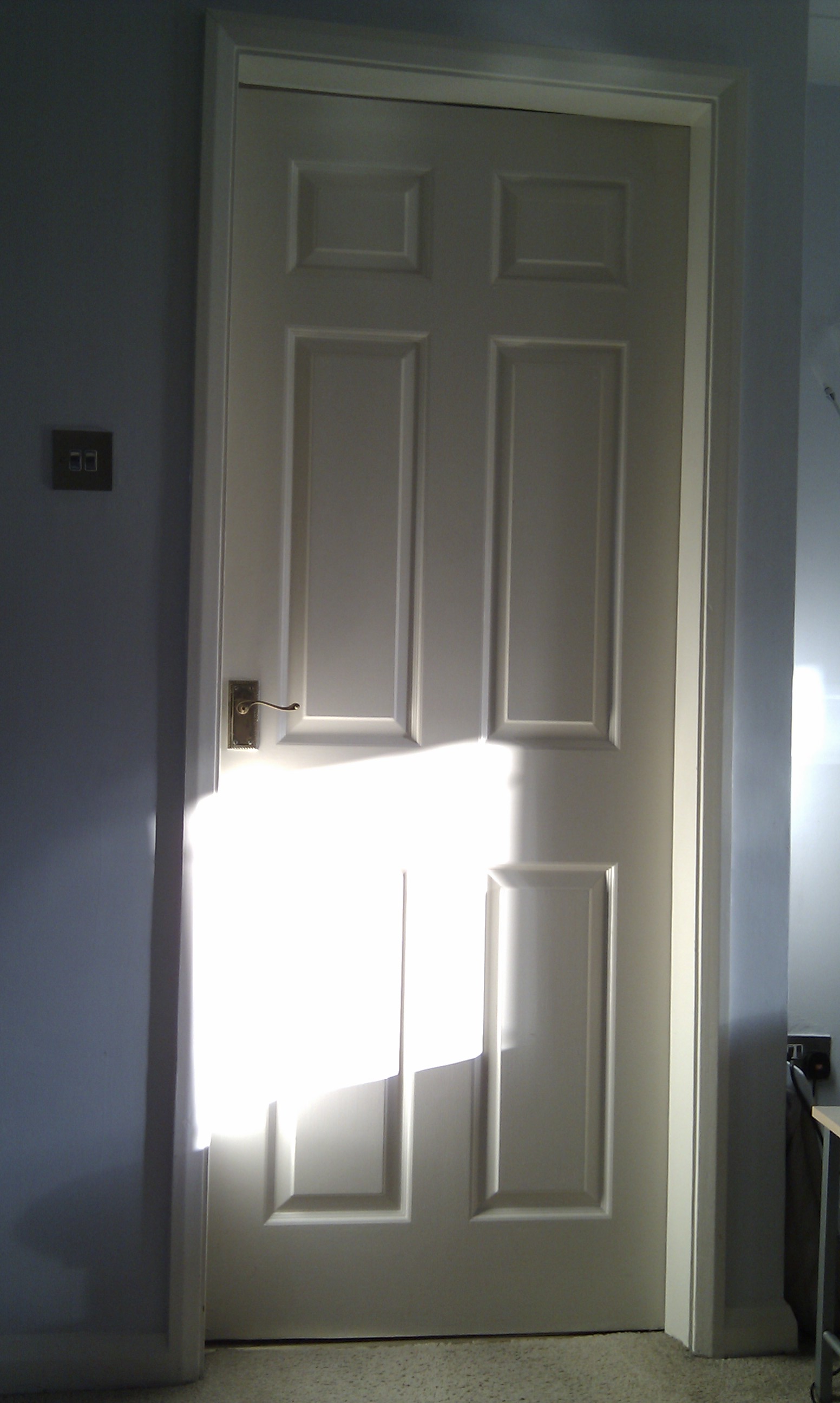
 

I stand by the door.

I neither go too far in, nor stay too far out,

The door is the most important door in the world –

It is the door through which they walk when they find God.

There’s no use me going way inside, and staying there,

When so many are still outside and they, as much as I,

Crave to know where the door is.

And all that so many ever find

Is only the wall where a door ought to be.

They creep along the wall like blind men,

With outstretched, groping hands.

Feeling for a door, knowing there must be a door,

Yet they never find it…

So I stand by the door.


The most tremendous thing in the world

Is for men to find that door – the door to God.

The most important thing any man can do

Is to take hold of one of those blind, groping hands,

And put it on the latch – the latch that only clicks

And opens to the man’s own touch.

Men die outside the door, as starving beggars die

On cold nights in cruel cities in the dead of winter –

Die for want of what is within their grasp.

They live, on the other side of it – live because they have not found it,

Nothing else matters compared to helping them find it,

And open it, and walk in, and find him…

So I stand by the door.

Go in, great saints, go all the way in –

Go way down into the cavernous cellars,

And way up to the spacious attics –

It is a vast, roomy house, this house where God is.

Go into the deepest of hidden casements,

Of withdrawal, of silence, of sainthood.

Some must inhabit those inner rooms,

And know the depth and heights of God,

And call outside to the rest of us how wonderful it is.

Sometimes I take a deeper look in,

Sometimes venture a little farther;

But my place seems closer to the opening…

So I stand by the door.


There is another reason why I stand there.

Some people get part way in and become afraid

Lest God and the zeal of his house devour them;

For God is so very great, and asks all of us.

And these people feel a cosmic claustrophobia,

And want to get out. “Let me out!” they cry.

And the people way inside only terrify them more.

Somebody must be by the door to tell them that they are spoiled

For the old life, they have seen too much:

One taste God, and nothing but God will do any more.

Somebody must be watching for the frightened

Who seek to sneak to out just where they came in,

To tell them how much better it is inside.


The people too far in do not see how near these are

To leaving – preoccupied with the wonder of it all.

Somebody must watch for those who have entered the door,

But would like to run away.  So for them, too,

I stand by the door.

I admire the people who go way in.

But I wish they would not forget how it was

Before they got in.  Then they would be able to help

The people who have not yet even found the door,

Or the people who want to run away again from God.

You can go in too deeply, and stay in too long,

And forget the people outside the door.

As for me, I shall take my old accustomed place,

Near enough to God to hear him, and know he is there,

But not so far from men as not to hear them,

And remember they are there, too.

Where?  Outside the door –

Thousands of them, millions of them.

But – more important for me –

One of them, two of them, ten of them,

Whose hands I am intended to put on the latch.

SO I shall stand by the door and wait

For those who seek it.

“I had rather be a door-keeper…”

So I stand by the door.


I stand by the door, Samuel Moor Shoemaker
Thank you

•October 5, 2010 • Leave a Comment

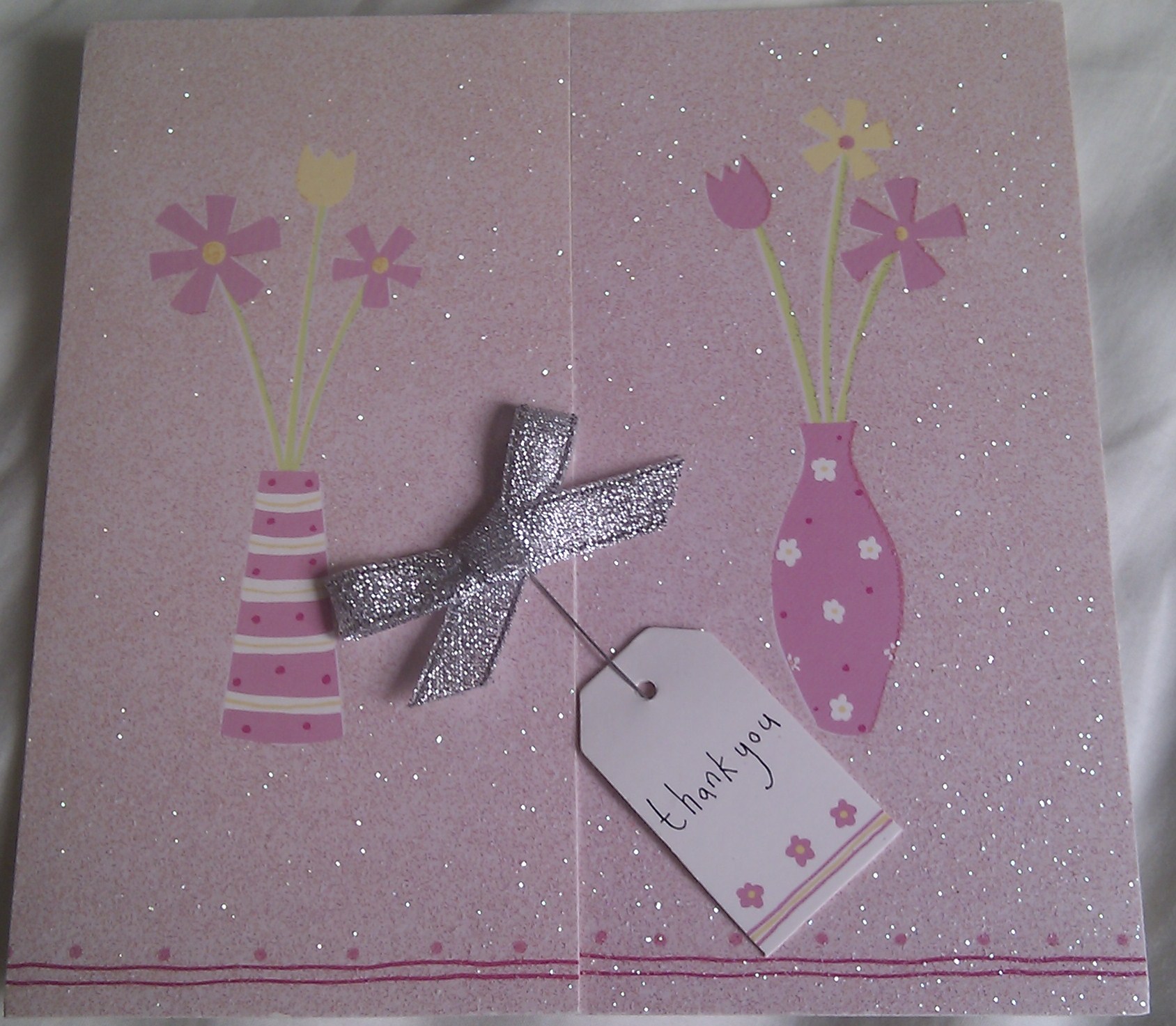
I have to confess that one of my pet hates is people not saying thank you.  Its not really that I’m looking for gratitude, but an acknowledgement is good.  Acknowledgement that something has happened – especially something that didn’t have to – the giving of a gift, spending time with someone, opening a door, preparing a meal.  It is good to thank you – after all it costs nothing.

Saying thank you show an attitude of heart.  It shows that you are thankful for what you have, but equally importantly shows that you have noticed what someone else has done.

In the context of our readings it is acknowledging what God has done for us.Both these occasions take place in the context of healing, but the principles apply to all of life.

Naaman had been suffering from leprosy. His wife’s servant girl suggested that if he went to the prophet Elisha, he could heal him.  Naaman was not very keen on what he considered to be Elisha’s unorthodox methods, but when he eventually followed them, he found himself to be cured.  Through this Naaman realised and acknowledged that God “is the only God in the whole world”, and brings a gift to Elisha in thanksgiving.

Jesus met ten men with leprosy.  Each one of them was healed as they responded to Jesus’ words.  But only one of those men came back to say thank you.  The other nine just went on their way, happy to receive the blessings, not thinking to thank the one who gave them.

It is so easy to take God and all he gives us for granted.  Do we take the time to stop and consider what God has given to us, his goodness to us?  Do we return to him and thank him for his generosity?

God has given us so much.

It is good to take time to stop and think, acknowledge and give thanks.  Let’s take some time to do that now – and every day.

Hanging on in there

•September 28, 2010 • 2 Comments

I don’t know about you, but I’ve got a list of questions I want to ask God when I get to meet him.

I think that’s why I love the book of Habakkuk.  Habakkuk is a man not afraid to ask difficult questions of God.

He sees the injustice in the world.  That evil people prosper, and the honest struggle.

He asks God, “How long?”  How long until you answer my questions, how long until you do something?  How long until the law and justice find their place in the world again?

God answers Habakkuk – the time is coming.  The world will be sorted out, but it may seem like a long time to us.  We may yet have times of questioning to come.

Sometimes we think we shouldn’t question God – that he is almighty, and knows what he is doing.  That’s the very reason why we should ask him!  We know that questioning is a good learning tool, so why not ask questions of God, if it is what is really on our heart – because that is what God longs to hear – what is on our heart.

If we don’t get the answer to our prayers that we want to, do we give up?  Are we faithful in prayer, bringing situations to God, and waiting for him to deal with them?  The life of faith may require continuing belief, long after reason and knowledge have been exhausted.  But it is right faith, because God is a faithful God.

Life is full of unanswered questions – for now.  One day it will all make sense to us, because we will see the full picture when God reveals it.

The best thing about Habakkuk for me is he learns to live with the questions.  Habakkuk’s faith, though tested, is not broken.  His faith, his experience of God, is that God will answer.  God is watching – his answer – “Wait – for God’s time”.

His book ends with these words:

Fig trees may no longer bloom,

or vineyards produce grapes;

olive trees may be fruitless,

and harvest time a failure;

sheep pens may be empty,

and cattle stalls vacant–

but I will still celebrate

because the LORD God

saves me.

The LORD gives me strength.

He makes my feet as sure

as those of a deer,

and he helps me stand

on the mountains.

Hanging on

Even though, even though all these things are still happening, we can trust that God is in ultimate control.  All may not yet be right with the world, but God continues to hold us and gives us the strength we need.  Habakkuk found a way to live with not always having answers, but finding something in that, and still being able to cling on because of his faith in God, when everything else had left him.

We might only be hanging on by our fingertips, but God is hanging on to us.

To quote that old saying,

We may not know what the future holds, but we know who holds the future

God is with us in the mess and the pain.

So let’s pray.  Lets wait on God.  And let’s share with the world what God says.

me.