
Another brick in the wall?

•August 16, 2011 • Leave a Comment

One of the most fascinating parts of Mansfield history is that of the rock houses – houses cut into the sandstone cliffs, inhabited until the late 19th Century.

Many things can be done with rock, useful things..
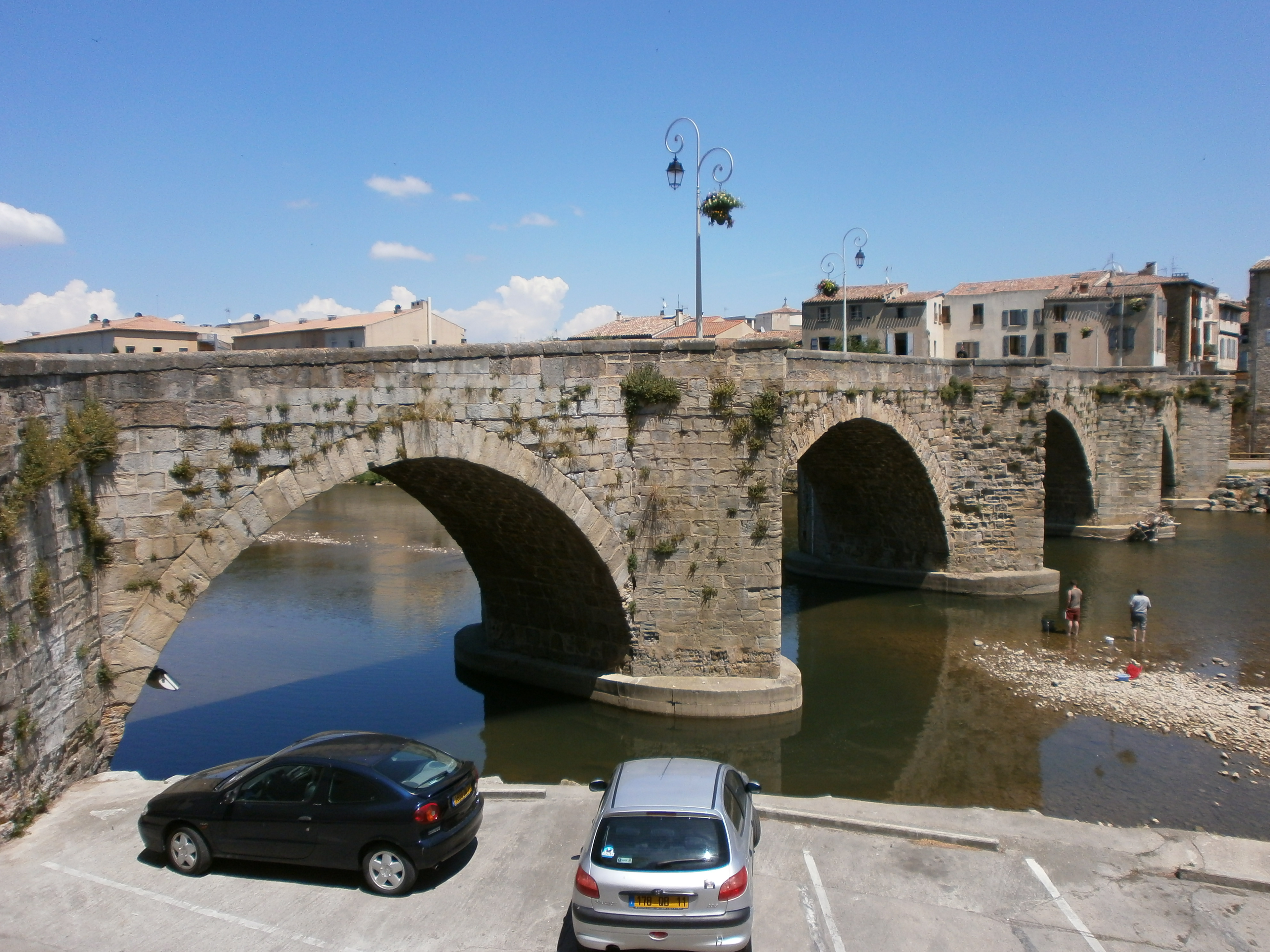
creative things…
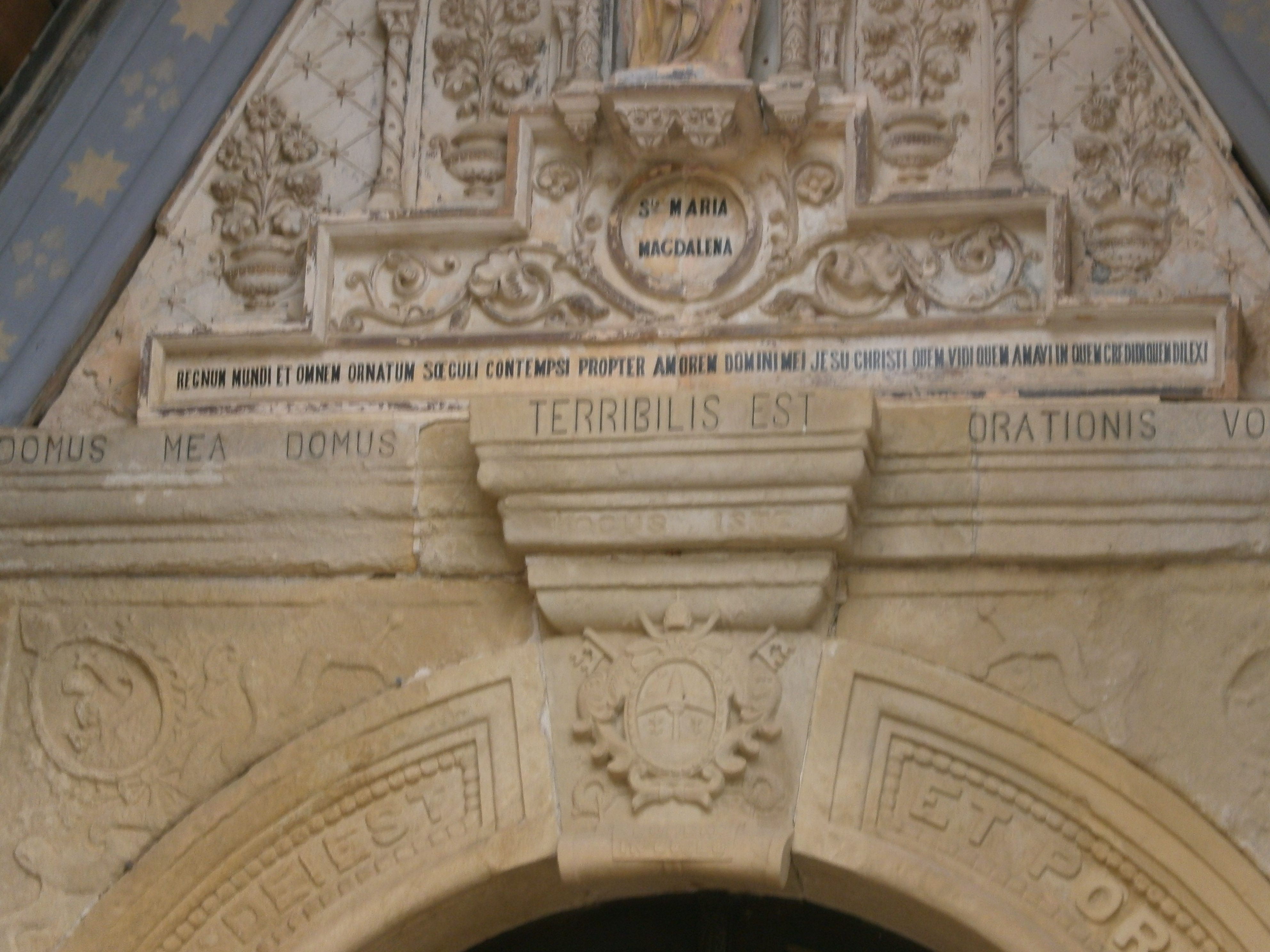
and the splendour of nature…        Pieces of rock are  broken off to be used, but those pieces remain intrinsically the same as the whole they were taken from.  They will have the same properties, and act in the same way.


It is to this fact that Isaiah turns in his message of hope:

 Consider the rock you were cut out of.
Think about the rock pit you were dug from (Isaiah 51:1)

Think, remember Sarah and Abraham – they were without hope, yet God blessed them with such abundance.

And what happened to them will happen to you.   The same comfort is available.  You are of the same line, from the same stock.  As God blessed them so he will bless you.

God’s saving love is not selective, it is for all his people.  As a piece of rock taken and used in different ways, yet remains intrinsically the same as the rest of the block it was from; so too God’s people remain his people however they are shaped, whatever they do.  In that there is hope.


God brings hope, and he brings love.  He brings it to you, wherever you are, because you are a part of his creation.  Whether you feel like a beautiful piece of sculpture, an ornate carving, a stunning rocky crag,  just an ordinary brick in a wall, or a discarded lump of rock, you are part of God’s world.  He loves you the same and he promises to bring to you the same blessings as he always has brought to his people.

May his words comfort you today.

Lord,

thank you

that I am part of the whole of your creation.

That you love me as you love others.

That however I feel,

useful or useless,

beautiful or mundane,

I am a part of your whole,

and you bless me.

 

Crumbs

•August 9, 2011 • Leave a Comment

I can be really confusing when someone acts entirely out of character.  When we get to know someone, we think we know how they will respond in situations, but sometimes they take us totally by surprise – and this happens in this reading with Jesus.

Who is this Jesus – at first reading not the one I recognise.  To not just refuse to help this woman, but to insult her in the process.  It is not like Jesus to be so harsh to someone who is asking him for his help, we are used to him going out of his way to restore and to heal.  So what is this all about?

John Ortberg suggests that Jesus is testing both the woman and the disciples.  He’s seeing where their limits are.  Along the way, the reading points to the pain of being left out, and the power of being welcomed in – and we see how each responds.

Tyre and Sidon are in the far north of the Jewish territory – and the Jews despised all who lived there, they regarded them as the bottom of the barrel.

So as far as the disciples were concerned, this woman was an outcast – and yet she came to Jesus in her need.

She, for her part, comes is humility

“Have mercy on me”

and she recognises and acknowledges Jesus as “Lord”.  She has the utmost respect for him.

And yet Jesus, the one who welcomed sinners, outcasts, children, ignores her.  What’s that all about?

Maybe you and I would walk away at that point when Jesus fails to respond, as the disciples want her sent away because she’s annoying them?  The woman has to decide how much she wants the healing for her daughter.  How deep is her need, how deep her belief that Jesus would help. Her response is to hang on in there, to ask again.

But what about the disciples?  How do they react?  They are quite clear in their response – send her away.  They do not draw her to Jesus, plead to him on her behalf – they want to get rid of her, she is disturbing them.  They thought they knew what kind of people Jesus wanted around him or not.  They were included, she was not.

The woman responded by sticking around.  She showed Jesus the depth of her faith.  She was not a glory-seeker or someone looking for an easy ride.  This was her daughter whom she loved so much she would throw herself at the mercy of Jesus for.  This was Jesus who she had ultimate faith in.

The disciples, once again, miss the point.  Jesus does care about outcasts, those outside our social circle, even noisy women!  This woman had clearly worked through her theology.  She understood that Jesus had primarily come to work with the Jews, but she also believed that his love was so vast there was plenty left over to spare – what others had swept off the table as excess.  And she wants some of it for her daughter.

The challenge for us?  Do we love and care enough to stick around.  To plead to Jesus on behalf of others?  Or do we want to be left in Jesus presence in peace.  The gospel is about tolerance and love.  Widening the gates of faith to those who may not conform to what we consider acceptable, but who may show us new ways and new depths of faith.  How do we respond?

Lord,

may I not sit in judgement

of who I think you want to help,

and who you would turn away.

May I always be open to all you welcome.

Thank you for the extravagance

of your love and acceptance

that welcomes even me,

and open that up wide

to everyone

That sinking feeling

•August 4, 2011 • Leave a Comment

I think I’ve mentioned before my dislike of boats, or rather my fear of going on boats in rough weather.

We were only recalling the other day, the time I refused to get on a crossing from Cherbourg to Portsmouth because I had seen the weather forecast and was far too frightened to cross in a storm.  Instead my family drove along the French coast to Calais where we could get through Channel Tunnel instead.

So I can understand some of where the disciples, and Peter in particular are coming from in this reading.

We are later in the day of the feeding of the 5000.  Jesus has sent the disciples on ahead across the lake, while he is sorting out the last of the people, and the takes the time to go off into the hills to pray – to spend some time in God’s presence, hearing his voice.

The disciples, meanwhile, were caught up in  a storm on the lake, being pounded by the waves.

Christ in the Storm on the Sea of Galilee, Ludolf Bakhuysen

Knowing their fear, Jesus goes to them.  He steps into the heart of the storm, into their distress, and is present with them.

Peter, being Peter, wants to do what Jesus is doing.  Jesus invites him to come to him, walking on the water.

Peter steps out, but then realises what he is doing and that the wind is still raging, gets scared and starts to sink – and is rescued by Jesus a second time!

I asked on Tuesday, Where is God?  Then he is found in the peace and stillness, here he is in the storm and panic.  The answer is

God is in all things

but we don’t always recognise him.  God is in peace and in beauty, but he is also in storm and terror.  He is with us when we don’t know what to do, and when we realise what we can’t do without him.

Jesus walks to where we are, reaches out his hand, whispers in our ear, and saves us.

Thank you God

that you are with us

wherever we are,

you are in peace

and storm,

in panic

and calm.

May we always hear you,

and know you are near,

and allow you to reach us

and save us.